
Which Rajaji Zone Is Best to Visit?
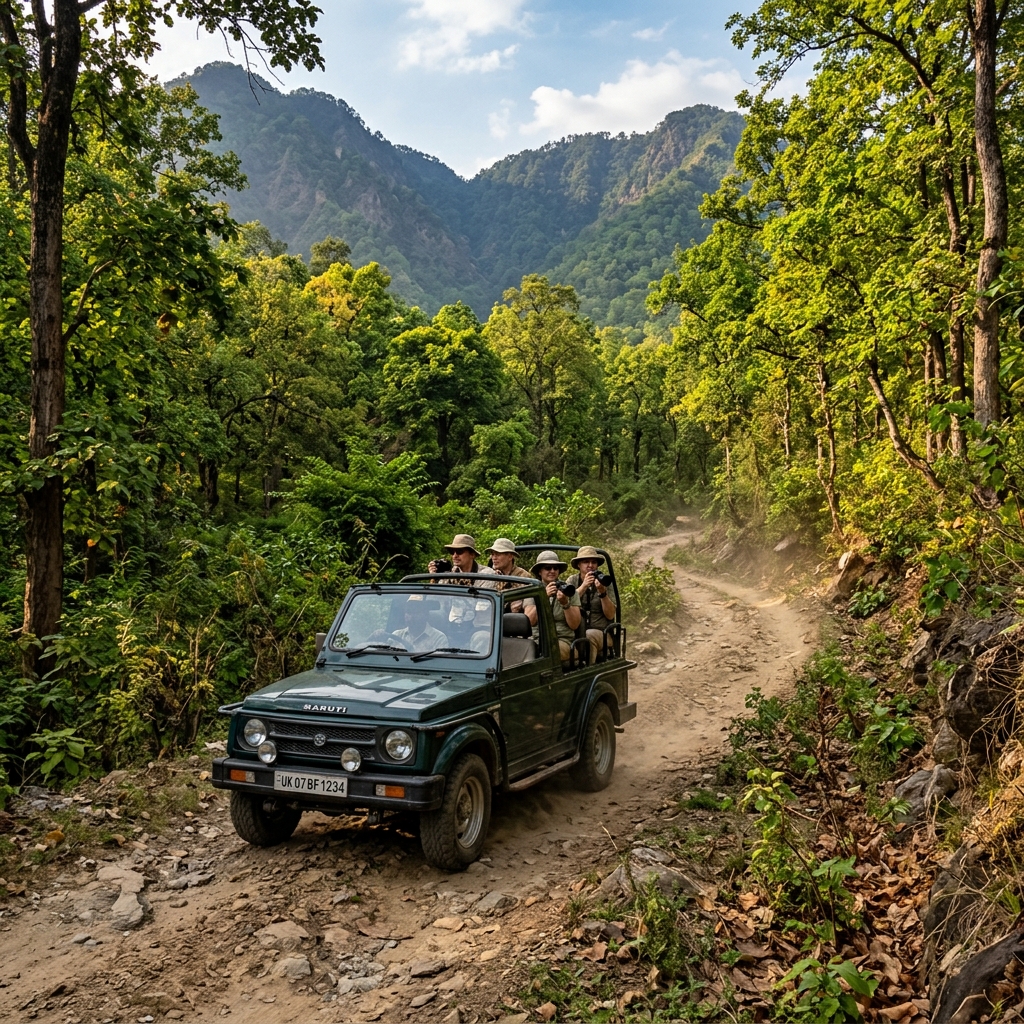
Rajaji National Park has multiple safari zones, but for most, the Chilla zone is the top pick and the easiest to book. At Rajaji, for us, the zone that is the best to visit is neither Chilla or Jhilmil Jheel nor Ranipur; it’s Ranipur and Jhilmil Jheel.
Neither of these zones see a lot of human traffic, and for us that is what pushes them up the rankings. If you don’t enjoy safaris that feel like a series of queuing for photos with a restless horde of tourists, these two zones would hold your interest.
Why Jhilmil and Ranipur?
Of the five public safari zones in Rajaji, Chilla and Motichur are well-developed and busy as are the rest. Jhilmil Jheel and Ranipur are more quiet in terms of human traffic as well as vehicles. Thus, wildlife also behaves naturally and is not harassed by several vehicles, as it is the case in Chilla or Motichur.
If you think of a safari as a tranquil forest and wildlife that has not been driven to maelstrom like Jhilmil Jheel, then Ranipur would be the zones you would want to visit.
Jhilmil Jheel, the Unique Wetland Sanctuary
Jhilmil Jheel is not your run-of-the-mill safari zone, it is a protected wetland conservation reserve harboring a unique freshwater marsh ecosystem and is situated in the Himalayan foothills.
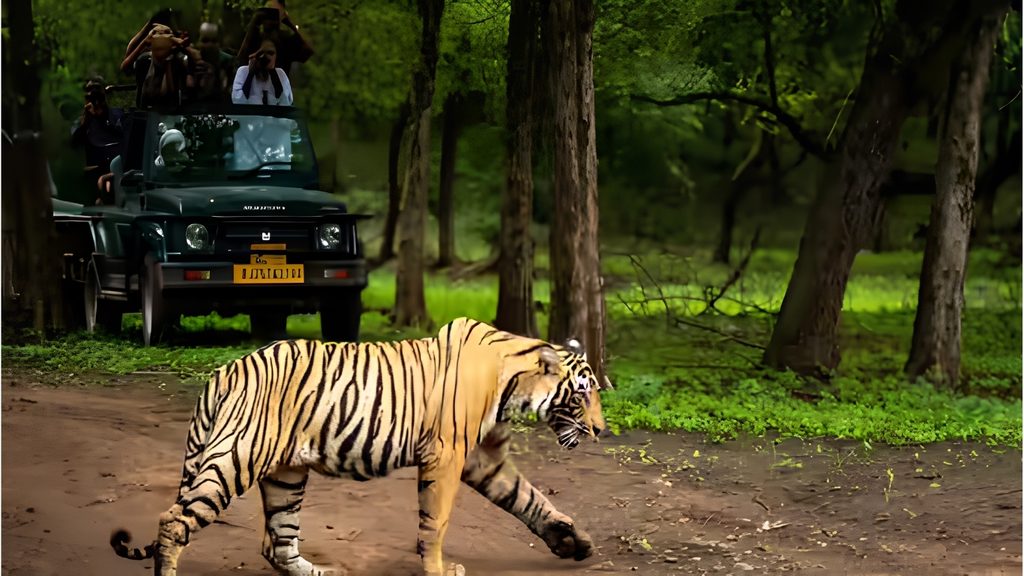
Why you should go:
You won’t find the Barasingha (Swamp Deer) anywhere else in Rajaji. Jhilmil Jheel is the only place to find Uttarakhand’s last surviving herd of these rare and endangered deer.
A birder’s dream spot, Jhilmil has over 300 species, including hornbills, kingfishers and eagles. It draws bar-headed geese and ruddy shelducks during migrations. Jhilmil is one of the top places for birding in North India.
Three bird-watching towers let you relax as you wait to hear birds and see elephants, deer, and other birds. Jhilmil’s Buddha towers are close for a historical and spiritual add-on to the trip.
Jhilmil stays open after the other areas of the park to allow a two week visit time, instead of closing at the end of May like the rest of the park.
The best time to explore Jhilmil is early in the morning or late afternoon as it is when the birds are active and the light is best on the wetlands.
Ranipur – Rajaji’s Best Kept Secret For Exquisite Wildlife
Ranipur offers quality wildlife experiences but is not as dependent on water as Jhilmil.
What Ranipur Offers:
It has resident tigers, leopards and frequent sloth bear sightings, making it an original wildlife zone. It is by far less popular, making it not a “second choice” zone.
Himalayan Goral – This species is not found in any other zones of Rajaji, therefore it is a special find for excited wildlife enthusiasts.
Undisturbed Encounters – With so few visitors, you will not find yourself photography wildlife “elbow to elbow”. You will be able to enjoy the calming sounds of the wildlife within the jungle.
Beautiful Scenery – This zone offers the great varieties of sal and other Forest vegetation and magnificent clear ridge lines that many photographers enjoy. On some clear winter days you may see some of the Himalayan range.
Convenient Last minute Booking – Due to its lack of popularity, this zone always has same day booking, when Chilla is fully booked.
Jhilmil vs Ranipur — Which One Should You Pick?
| Jhilmil Jheel | Ranipur | |
|---|---|---|
| Best for | Birdwatching, wetland wildlife, swamp deer | Tigers, leopards, sloth bears, landscape photography |
| Vibe | Peaceful wetland, watchtower birding | Remote ridges, forest solitude |
| Unique highlight | Only wild Barasingha herd in Uttarakhand | Only Himalayan Goral sightings in Rajaji |
| Season | Open until June 30 (longest season) | Nov–Jun, best Nov–April |
| Booking ease | Low crowds, easy to book | Almost always available same-day |
Our honest suggestion: if you only have time for one safari, pick based on what excites you — water birds and gentle wetland wildlife means Jhilmil; forest, ridgelines, and predator territory means Ranipur. If your schedule allows two safaris, pairing both zones gives you a complete picture of Rajaji that most visitors never see.
My Final Thoughts
Rajaji is often compared to Corbett but it doesn’t have to be. Rajaji has its own identity and Jhilmil Jheel and Ranipur are where that identity shines. These zones have untouched forest and wildlife that gets to be just that instead of a checklist item on your itinerary.
If you want to do a peaceful, offbeat, memorable Rajaji safari, skip the crowds and go to Jhilmil Jheel or Ranipur.
While planning your trip, book your Jhilmil or Ranipur zone safari well in advance during the busy season (November – February) to have a good chance to book a morning safari, which is the most optimal time to see wildlife. Go check Rajajisafari.com for availability to book your safari now.
Rajaji Safari Desk
Certified Wildlife DeskThe Rajaji Safari editorial team provides verified jungle safari permit guidelines, gate shift timings, and conservation updates for Rajaji National Park and Tiger Reserve, Uttarakhand.
Explore More Wildlife & Safari Guides
View All ArticlesWildlife GuideWhich Rajaji Zone Is Best to Visit?
Wildlife GuideWildlife Guide